
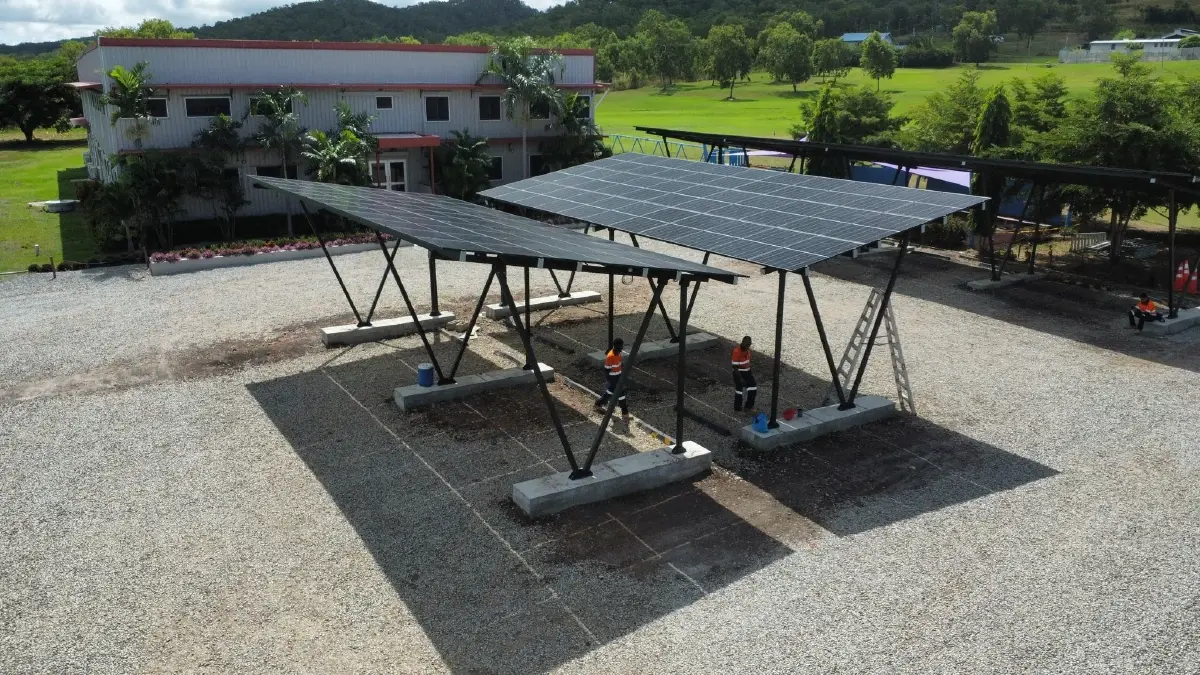
The project transforms a standard outdoor parking area into a clean energy generation asset, providing shaded vehicle protection while supplying renewable electricity to the on-site facility. The system consists of a robust steel canopy structure supporting high-efficiency solar panels, engineered to withstand local weather conditions and optimized for maximum solar exposure.
The installation of a solar carport delivers multifaceted returns on investment:
Reduced Energy Costs: The system directly offsets grid electricity consumption, significantly lowering utility bills.
Long-Term Price Stability: It protects against future electricity rate hikes by locking in a low cost of solar energy for decades.
Environmental & Sustainability Impact:
Carbon Footprint Reduction: By displacing fossil-fuel-based grid power, the carport directly reduces the site’s operational carbon emissions.
Corporate Responsibility: It serves as a visible commitment to sustainability, enhancing green credentials and supporting ESG (Environmental, Social, and Governance) goals.
Functional & Site Advantages:
Protected Parking: Provides shade for vehicles, reducing interior heat and protecting against sun and light weather elements.
Optimized Land Use: Generates value from underutilized parking space without requiring additional land.
Enhanced Property Value: The upgrade adds tangible infrastructure and long-term utility savings, increasing asset value.
Common Installation Considerations & Solutions
Structural Integrity & Design:
Consideration: The structure must meet local wind, snow, and seismic load requirements. Design must ensure sufficient height clearance and column placement to avoid disrupting parking flow.
Solution: A professional engineer designs and stamps the carport structure. The layout is carefully planned to standard parking dimensions (e.g., 9′ x 18′ per bay), ensuring easy access.
Electrical Integration & Grid Connection:
Consideration: Integrating the solar array with the building’s electrical system and the utility grid requires careful planning. This includes point of interconnection, meter upgrades, and compliance with utility regulations (interconnection agreements).
Solution: Early consultation with the utility company and a licensed electrical contractor is essential. The design includes proper inverters, conduit routing, and safety disconnects.
Foundation & Ground Conditions:
Consideration: Soil type, drainage, and existing pavement (asphalt/concrete) impact foundation choice (e.g., concrete piers, ballasted footings). Minimizing disruption to the existing parking surface is often a priority.
Solution: Conducting a geotechnical review informs the foundation design. Techniques like helical piles or targeted concrete piers can minimize large-scale excavation and allow for quicker installation.
Optimal Solar Production:
Consideration: Shading from nearby buildings or trees and the carport’s tilt angle can affect energy yield.
Solution: A pre-installation shading analysis is performed. The canopy is oriented (typically true south in the Northern Hemisphere) and tilted (often 5-15 degrees for carports) to maximize annual energy production.
Permitting & Inspection:
Consideration: The project requires building permits, electrical permits, and must pass inspections from relevant authorities.
Solution: An experienced installer manages the entire permitting process, ensuring plans comply with all local building codes, zoning ordinances, and fire safety regulations.
Conclusion
This four-bay solar carport project exemplifies a practical and intelligent upgrade for commercial, industrial, and institutional properties. It successfully turns a passive cost center—a parking lot—into an active, revenue-generating asset. By proactively addressing structural, electrical, and logistical considerations, the installation delivers immediate functional benefits and long-term economic and environmental returns. This model presents a replicable solution for organizations seeking to advance their sustainability initiatives while strengthening their financial resilience.