
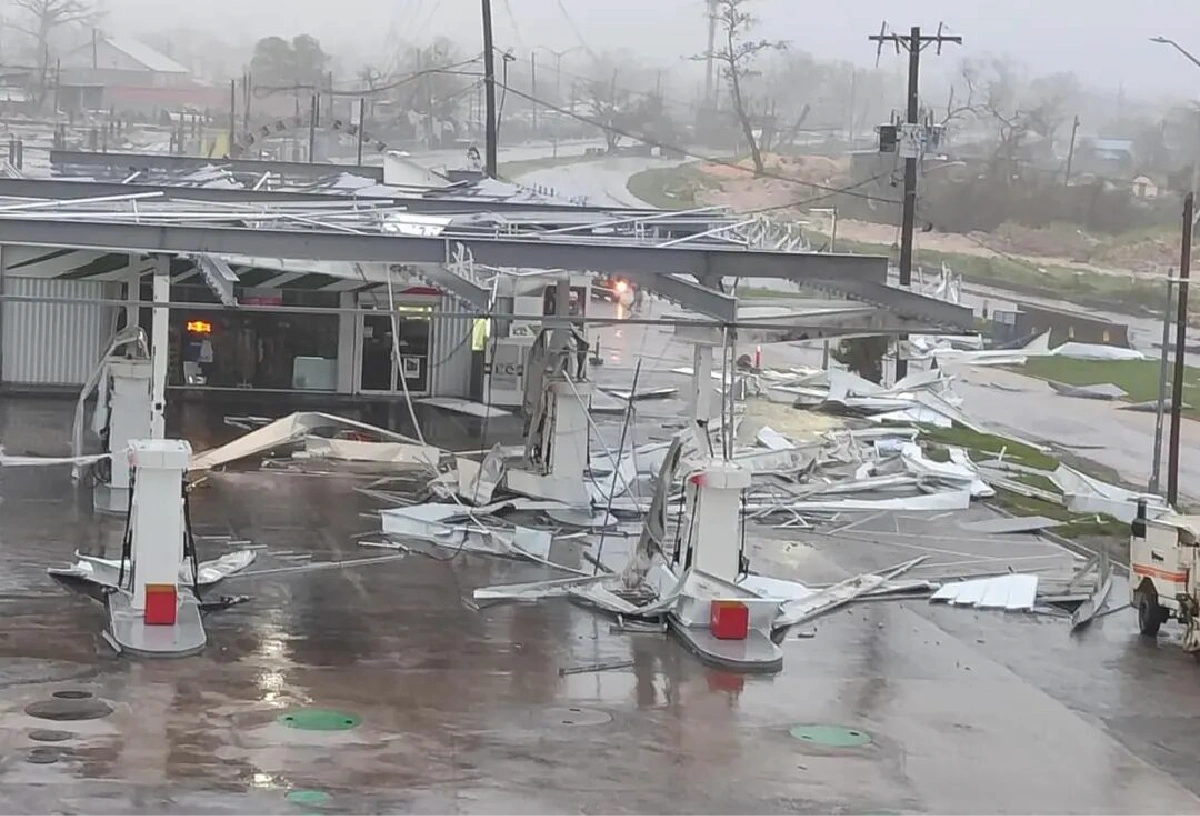
The passage of Hurricane Melissa, a catastrophic Category 5 storm, laid bare the profound vulnerability of Jamaica’s power infrastructure. With wind speeds reaching 295 km/h, the hurricane caused damage of an unprecedented scale to an electrical grid designed to withstand only a Category 3 storm. The aftermath has been a stark reminder of the critical need to enhance energy resilience, positioning commercial and industrial (C&I) energy storage as a vital component for future disaster preparedness.
Catastrophic Damage to the Power System
The impact of Hurricane Melissa on Jamaica’s electricity grid was immediate and severe.
Widespread Blackouts: Initially, over 540,000 customers—a massive portion of the island—were left without electricity. In the immediate aftermath, approximately 72% of the country’s areas remained without power, highlighting the grid’s total incapacitation.
Critical Infrastructure Compromised: The destruction of transmission lines, poles, and substations was extensive. The Jamaica Public Service Company (JPS) reported that the transmission network, particularly in parishes like St. Ann, suffered “extensive damage,” making restoration exceptionally challenging. This damage left hundreds of communities isolated and crippled essential services.
Prolonged Recovery: The restoration process has been a slow and arduous grind. Nearly a month after the disaster, while progress had been made, about 180,000 customers were still awaiting the return of electricity. This slow pace underscores the immense challenge of rebuilding a centralized grid from the ground up.
The Critical Role of Commercial and Industrial Energy Storage
In this context, C&I energy storage systems (ESS) emerge not merely as a backup option, but as a fundamental necessity for maintaining operations during extended grid outages. Their value is multi-faceted:
Ensuring Business Continuity and Safety: For critical facilities like the Savanna-la-Mar Public General Hospital and the Falmouth Public General Hospital, which faced extended waits for reconnection, a resilient backup power source is a matter of life and death. C&I storage can provide seamless backup power, ensuring that critical operations continue uninterrupted during grid failure. As seen in other contexts, modern battery systems can switch to backup power in milliseconds, preventing costly downtime and protecting vital services.
Providing Grid Independence and Resilience: The complete collapse of the central grid demonstrates the risk of over-reliance on a single system. C&I storage, especially when coupled with solar power, can create self-sufficient microgrids. These systems can power businesses, factories, and communities independently while the main grid is under repair. The UN and other aid agencies emphasized the importance of restoring power for water, sanitation, and medical services, needs that could be partially met locally with pre-existing storage systems.
Offering Economic Stability: Beyond disaster response, C&I storage provides significant economic benefits during normal operations. These systems are designed for “peak shaving” and “time-of-use arbitrage”—charging with cheap electricity during off-peak hours and discharging it during expensive peak hours, substantially reducing energy costs. This economic advantage helps justify the investment in resilience, as the systems pay for themselves over time while providing indispensable backup during a crisis.
A Necessary Investment for a Resilient Future
The devastation wrought by Hurricane Melissa on Jamaica’s power supply is a powerful lesson in the importance of energy resilience. As the country rebuilds, simply restoring the old grid is insufficient. Integrating commercial and industrial energy storage into the energy strategy for critical facilities, businesses, and industrial zones is an essential step toward building a more robust and decentralized power system. This approach can mitigate the impact of future disasters, ensure the continuity of essential services, and foster greater long-term economic stability.